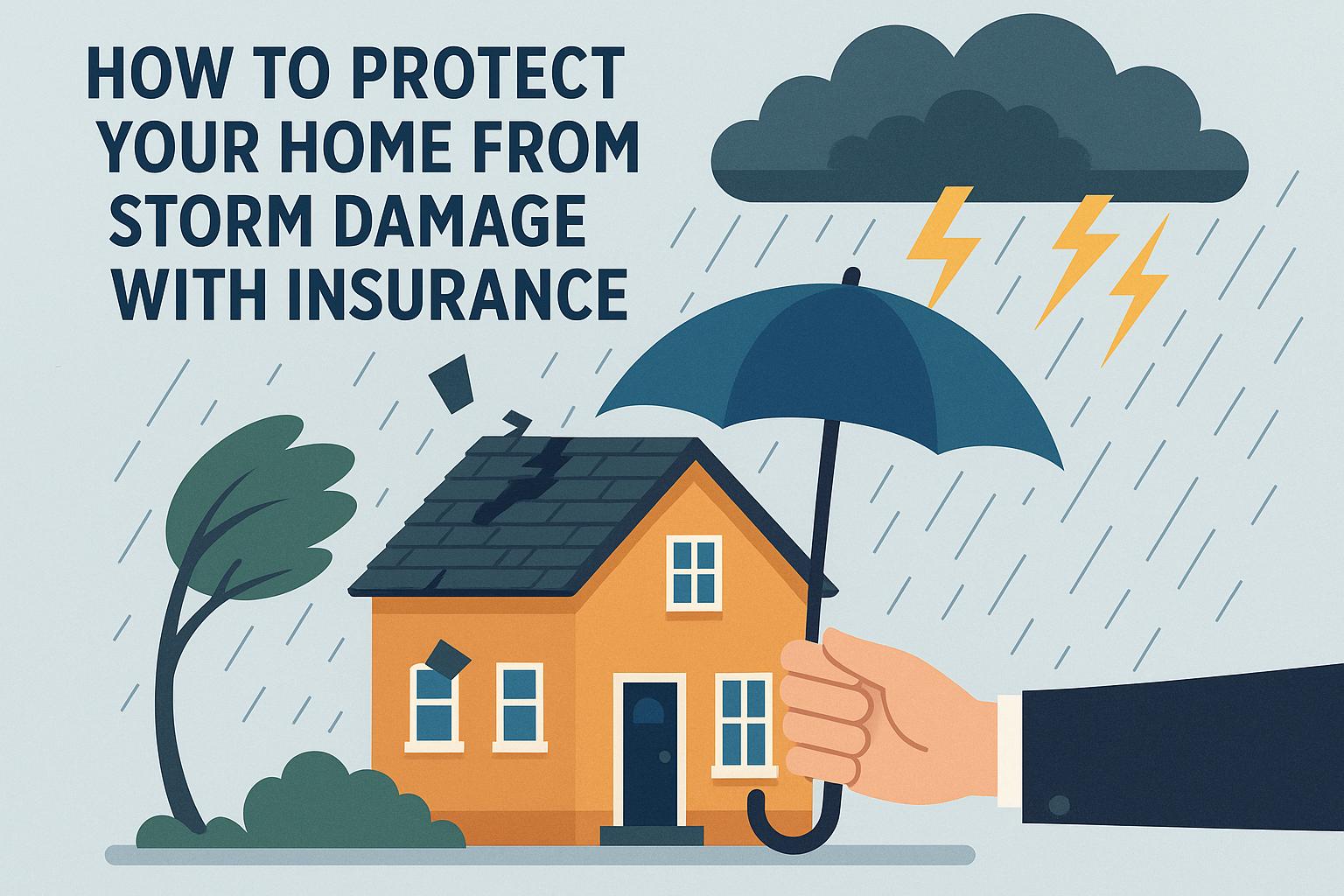
Understanding Home Insurance for Storm Protection
Homeowners face various challenges when it comes to protecting their properties from natural disasters. Among these, storms can be particularly destructive, underscoring the importance of having comprehensive insurance coverage. Understanding how home insurance can assist in safeguarding your property from storm damage is essential for protecting your investment effectively. This detailed overview will help you navigate this essential aspect of home ownership.
Evaluate Your Insurance Coverage
The first step in preparing for storm protection is to thoroughly evaluate your current insurance coverage. Before a storm strikes, it is imperative to revisit your insurance policy and ensure it adequately covers the specific types of storm damage prevalent in your area. While coverage typically includes damages from wind, hail, and water intrusion, it is crucial to be aware that standard homeowner’s insurance often does not extend to flood damage. To address this gap, homeowners should explore additional flood insurance options through the National Flood Insurance Program or consult with their insurance agents about private flood insurance policies.
Assessing Risks and Policy Limits
A comprehensive risk assessment of your home’s susceptibility to storm damage is crucial. Particularly, if you reside in a region known for hurricanes or severe storms, ensure your insurance policy covers wind and water damage adequately. Reviewing your policy limits and deductibles is also a fundamental part of this process, ensuring they align with the potential repair costs you might incur. If adjustments to your coverage are necessary, prompt communication with your insurance provider is essential to make the required changes.
Consider Additional Coverage Options
Standard homeowner’s policies often do not cover all storm-related damages, making it necessary to consider additional endorsements for comprehensive protection.
Flood Insurance
Even if you do not live in a designated high-risk flood zone, investing in separate flood insurance is prudent. Flooding resulting from heavy rains or storm surges can result in substantial damage. Exploring coverage options through the NFIP or discussing private flood insurance with your agent can provide the necessary protection.
Windstorm Insurance
For those living in hurricane or tornado-prone areas, exploring separate windstorm insurance options is advisable. This type of policy helps cover repair costs associated with damage from high winds, which are not always included in standard insurance plans.
Preventative Measures to Minimize Damage
Insurance offers financial protection, but taking proactive steps to minimize potential damage can be equally beneficial. Implementing preventative measures can also potentially lead to reduced insurance premiums. Here are strategies to fortify your home against severe weather conditions:
Fortify Your Roof
Your roof’s condition significantly impacts your home’s ability to withstand high winds. Ensure regular maintenance and consider reinforcing it with hurricane straps or clips. Prompt replacement of any damaged shingles can prevent further complications.
Secure Windows and Doors
Investing in storm shutters or impact-resistant windows can provide extra protection. Ensuring that doors are reinforced and equipped with robust locking systems will help prevent wind from penetrating your home during a storm.
Maintain Landscaping
Managing the landscaping around your home is an often-overlooked but essential step. Regularly trimming trees and removing dead branches can prevent them from becoming dangerous projectiles during a storm. Additionally, keeping gutters free of debris ensures efficient water flow and reduces the risk of water damage.
Documentation and Claims Process
Having a clear and thorough record of your home and belongings is invaluable when filing an insurance claim. Before a storm occurs, take comprehensive photos and videos of your property and possessions. This documentation will be critical if your home sustains damage, as it can facilitate a smoother claims process.
Working with Adjusters
In the aftermath of a storm, an insurance adjuster will likely assess the damage on-site. Accompanying them during the inspection can ensure that all damages are noted accurately. Maintaining detailed records of all communications with your insurance company will serve as a valuable reference in managing your claim.
By understanding and strategically managing your home insurance coverage, you can effectively protect your home from potential storm damage. Evaluating your policy, considering additional coverage options, implementing preventative measures, and navigating the claims process are all critical components in safeguarding your property against the unpredictability of storms. These proactive steps not only protect your investment but also provide peace of mind during stormy seasons.