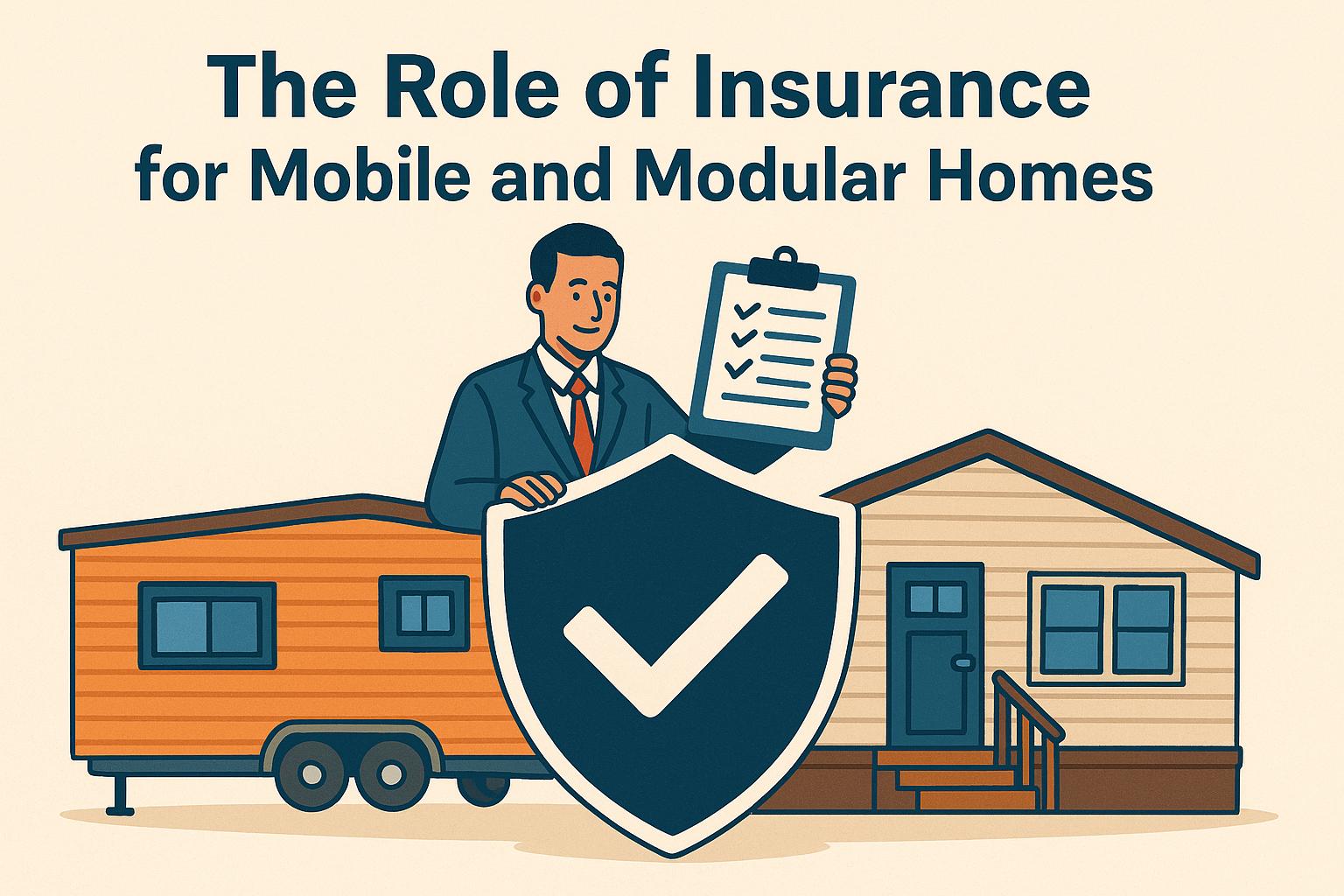
The Importance of Insurance for Mobile and Modular Homes
Mobile and modular homes offer an attractive option for affordable and flexible living environments. They have been gaining popularity, partly due to their cost-effectiveness and the versatility they provide to homeowners. These homes, however, come with their own set of challenges and risks that make appropriate insurance coverage absolutely essential. Such insurance is a safeguard that provides critical protection against numerous risks, thereby ensuring homeowners can maintain a stable financial future if faced with damage or loss.
Understanding the Unique Characteristics of Mobile and Modular Homes
Before comprehensively exploring the role of insurance, it is important to better understand the specific traits that set mobile and modular homes apart from traditional homes. Although both types are factory-built, they do exhibit distinctive differences which potentially affect the kind of insurance required.
Mobile Homes:
Mobile homes are constructed on a permanent chassis. They are built off-site, transported, and then placed onto a plot of land where they are affixed to a foundation. Despite being dubbed “mobile,” these homes, once installed, usually stay in the same location. The design enables their movement, but practical considerations often keep them stationary. These homes are susceptible to some specific risks and damages due their mobility and construction characteristics, which underscores the importance of tailored insurance coverage.
Modular Homes:
In contrast, modular homes encompass another form of factory-built housing. They are constructed in sections or modules, and these segments are then transported to the location for assembly on a permanent foundation. Modular homes, when fully constructed, often appear similar to conventional site-built homes. Their robust and permanent nature on-site differentiates them from mobile homes, yet they too benefit from specific insurance considerations due to their construction and potential vulnerabilities.
The Importance of Insurance for Mobile and Modular Homes
Insurance emerges as a fundamental tool for safeguarding and achieving long-term security in both mobile and modular homeownership for a variety of significant reasons.
Protection Against Natural Disasters
Natural disasters can pose a severe threat to homes of all types, and mobile and modular homes are no exception. These dwellings are vulnerable to storms, fires, floods, earthquakes, and other extreme weather conditions. Depending on the geographical location and the associated risks, insurance coverage is often tailored to shield the homeowner from the financial burden of major repairs or complete rebuilding. This protection is imperative, as it prevents homeowners from having to bear excessive costs during unexpected natural calamities.
Coverage for Personal Belongings
Insurance policies for mobile and modular homes usually extend beyond the physical structure to include the personal possessions within. Coverage for personal belongings is a significant feature that safeguards the homeowner’s items such as furniture, electronics, appliances, and even clothing. Whether due to theft, vandalism, or damage from covered perils, this facet of the insurance policy ensures that personal property is protected, offering homeowners peace of mind regarding the security of their household items.
Liability Protection
Liability protection is another indispensable component of mobile and modular home insurance. This aspect of coverage guards homeowners against financial consequences should someone get injured while on their property. The liability protection covers potential medical expenses or legal fees that may ensue from such incidents. This protection is crucial to reducing the financial impact and legal complexities associated with such unfortunate events.
Choosing the Right Insurance Policy
Selecting an insurance policy for mobile or modular homes requires careful consideration to ensure it adequately addresses the needs and particularities associated with these types of housing.
Policy Options and Coverage Limits
Homeowners evaluating insurance options should review the array of policy choices and ensure they select one that aligns with the necessary coverage limits. It is critical to assess the risks specific to the home’s location. This includes understanding vulnerabilities to natural disasters or theft, allowing for an appropriate coverage level to be determined that meets the various possible challenges.
Cost Considerations
The cost of insuring mobile and modular homes can vary significantly based on factors such as geographical location, the age and condition of the home, and the coverage limits chosen. To secure a policy that offers value while providing comprehensive protection, homeowners are advised to obtain and compare quotes from several insurance providers. This due diligence ensures they find a policy that balances cost with coverage efficacy.
Evaluating Insurance Providers
Selecting the right insurance provider for mobile and modular home coverage is perhaps as crucial as choosing the policy itself. It involves researching and assessing the reputation, customer service levels, and financial stability of potential providers. Homeowners can benefit from resources and reviews available online to learn about the experiences of existing policyholders. These assessments help ensure that the provider selected has a track record of supporting and compensating customers adeptly.
For those looking for more comprehensive information related to insurance options for mobile and modular homes, official resources such as The National Association of Insurance Commissioners can offer insightful guidance. Further, direct visits to insurance providers’ websites that specialize in these housing types can provide specific policy details and help inform decision-making.
Ensuring the security and protection of mobile and modular homes necessitates astute insurance choices. By understanding the distinct characteristics of these homes and selecting policies tailored to their unique needs, homeowners can guarantee not just peace of mind, but solid financial security in the face of potential challenges or unexpected events.