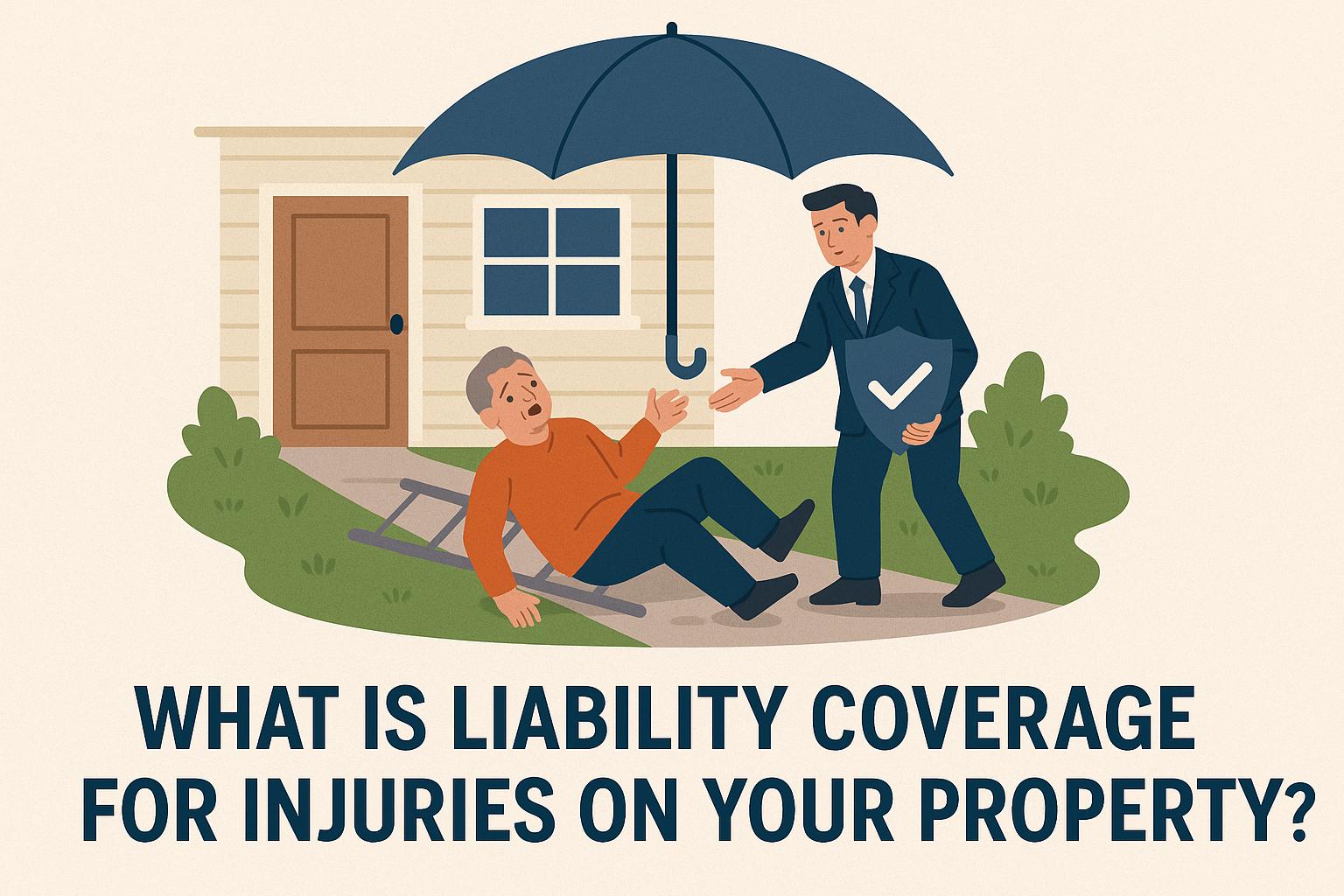
Understanding Liability Coverage for Injuries on Your Property
Liability coverage is an integral aspect of a homeowner’s insurance policy. It is designed to provide protection for homeowners in scenarios where injuries occur on their property. This protection is essential as it offers financial coverage against lawsuits or claims that might be filed by individuals who suffer injuries while on your premises.
What is Liability Coverage?
Liability coverage is a form of insurance that addresses the expenses associated with bodily injuries or damages occurring on your property, for which you are legally responsible. This type of coverage can cover medical bills, legal fees, and any potential payouts in the event that you are sued. Notably, liability coverage isn’t confined to incidents occurring inside your home; it also extends to other areas of your property, such as your garden or driveway.
Significance of Liability Coverage
The primary purpose of liability coverage is to protect homeowners from financial losses resulting from accidents or injuries sustained by others on their property. Without this coverage, homeowners might face significant financial burdens due to legal fees, medical expenses, or repairs needed due to accidents. It is critical for homeowners to periodically assess and update their policy to ensure their coverage aligns with their current needs, taking into account any changes in assets, household composition, or improvements to the property.
Examples of Covered Incidents
Homeowners could find themselves in a variety of situations where liability coverage becomes applicable. Consider the following scenarios:
- A visitor unexpectedly slips on a snowy walkway, leading to an injury. In this case, liability coverage can assist in addressing their medical expenses.
- If someone is bitten by your pet while on your property, liability insurance might cover both the medical costs incurred and any potential legal fees.
- In the event that a tree located on your property falls and damages a neighbor’s house, liability coverage can help with the associated repair costs.
Legal and Financial Support
The scenarios displayed above highlight the unpredictable nature of accidents and injuries that could arise on one’s property. Liability coverage ensures that homeowners are better prepared to handle such unforeseen events, providing both legal and financial support. This form of coverage essentially acts as a safeguard, allowing homeowners to focus on resolving the incident rather than worrying about the financial implications.
Coverage Limits and Exclusions
When it comes to liability coverage, understanding the limits and exclusions is of utmost importance. Most insurance policies feature predefined limits, such as $100,000 or $300,000. If costs exceed these limits, the homeowner is personally responsible for covering any additional expenses.
Moreover, certain risks are commonly excluded from liability coverage:
- Intentional harm or damage deliberately caused by the homeowner is not covered.
- Any injuries sustained by household members typically fall outside the scope of this coverage.
- Business-related activities conducted on home property are often excluded as well.
Navigating Exclusions
Due to these limitations and exclusions, it’s advisable for homeowners to thoroughly examine the specifics of their insurance policy. In some cases, additional coverage options, such as an umbrella policy, may offer more comprehensive protection. Consulting with an insurance agent or company can provide clarity on policy details, helping homeowners make informed decisions about their coverage needs.
Why It’s Important
The importance of liability coverage cannot be overstated. It provides a crucial layer of protection against potential financial liabilities arising from accidents or injuries to others on your property. Without liability coverage, homeowners could be exposed to significant out-of-pocket costs in the form of legal fees, medical bills, or even repair expenses.
Maintaining Adequate Coverage
Homeowners must ensure that their policy reflects changes in asset value, household composition, or property improvements. This requires regular reviews and updates to the policy, ensuring personalized and comprehensive coverage. By maintaining an up-to-date policy, homeowners can protect themselves from unforeseen liabilities and maintain financial stability.
Conclusion
In conclusion, liability coverage for injuries on your property is a vital component of any homeowner’s insurance policy. It offers the necessary protection against legal and financial repercussions from incidents that may occur on or around your property. Understanding what is covered, the limits and exclusions, and the reasons for its importance can help homeowners make informed decisions about their insurance needs. By doing so, they can safeguard themselves against unexpected financial burdens and ensure peace of mind while maintaining their property.