Understanding the Role of Fire Alarms and Sprinklers
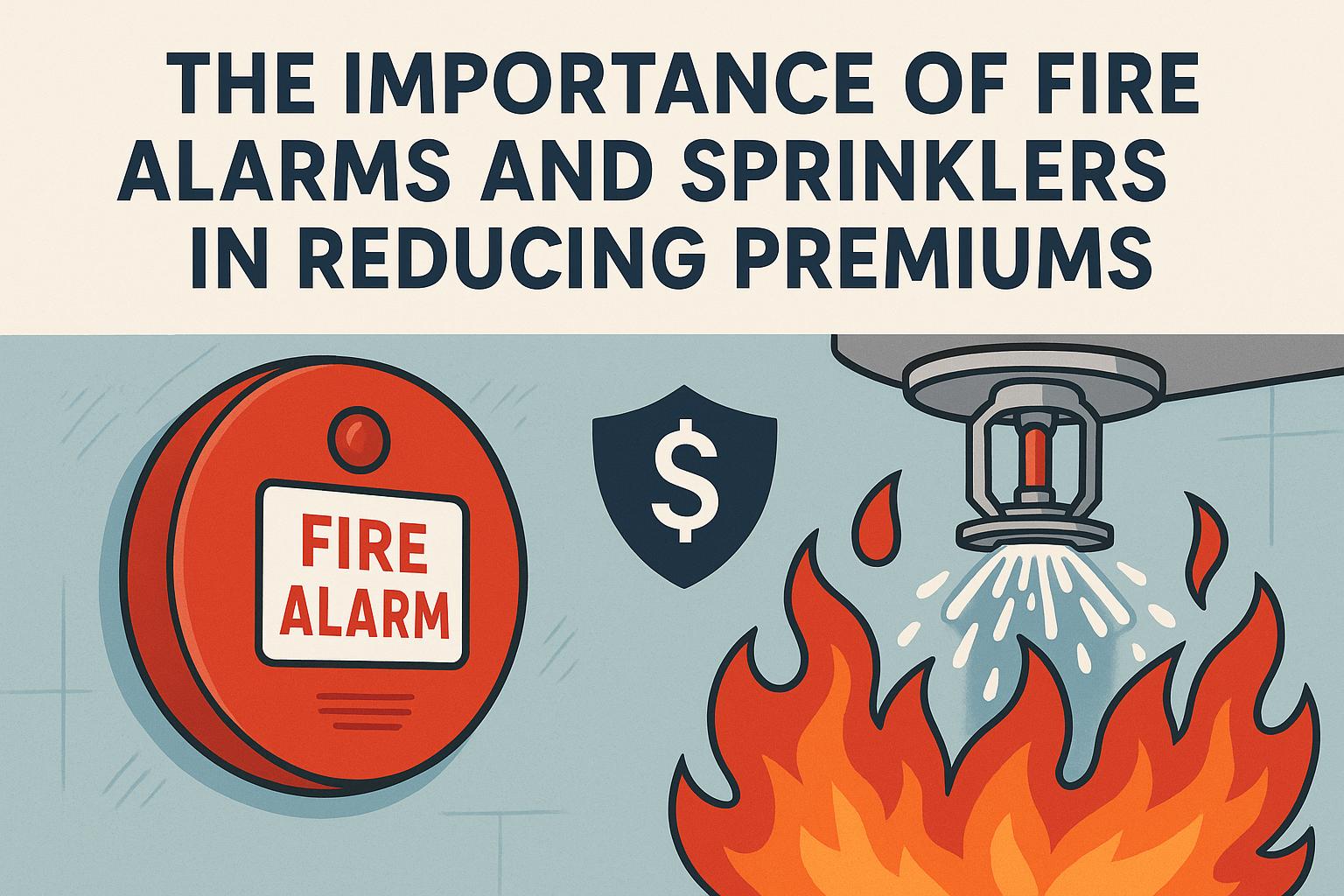
Fire alarms and sprinkler systems play a crucial role in safeguarding properties against fire-related incidents. They are essential components of a comprehensive fire safety strategy, acting as both preventive and responsive measures. These systems not only help in protecting lives and property but also have a direct impact on insurance premiums.
Fire Alarms: A First Line of Defense
Fire alarms are vital in detecting smoke and fire early, providing the crucial time needed for evacuation and emergency response. The installation of compliant and well-maintained fire alarm systems is often a prerequisite for several building types.
Early detection is the key benefit of fire alarms. They are designed to alert occupants before a fire escalates, thereby reducing potential risks. Moreover, having a fire alarm system installed can potentially lower insurance premiums, as it mitigates the extent of damage and loss, which insurers consider when underwriting policies.
Sprinklers: Active Fire Suppression
Sprinkler systems offer an active approach to fire suppression, automatically activating upon detection of heat. Once triggered, they release water to control and extinguish the fire, minimizing damage significantly compared to a situation where no system is in place.
In terms of efficiency, sprinklers are designed to act swiftly and can either stop the fire altogether or slow its spread long enough for the fire department to arrive. This capability makes them a highly valued feature by insurance providers, as it translates to fewer claims and less payout.
Impact on Insurance Premiums
The presence of fire alarms and sprinklers can lead to reduced insurance premiums due to their risk reduction capabilities. Insurers often offer discounts or lower rates for properties equipped with these systems. This financial incentive is due to the decreased likelihood and severity of fire damage, which in turn lowers the financial liability for the insurer.
Factors Influencing Premium Reductions
Several factors can influence the extent of premium reductions, including:
– The type and coverage of the fire alarm and sprinkler systems
– The age and condition of the systems
– Compliance with local fire safety regulations
For a comprehensive understanding, it’s recommended to review policy documents or consult with an insurance agent to determine the specific benefits applicable for a property’s fire safety features.
Importance of Regular Maintenance
Maintaining Fire Alarms
A significant aspect of leveraging the benefits of fire alarms is their regular maintenance. Ensuring they are in optimal working condition is critical. Routine checks and maintenance of fire alarms involve testing the detectors, ensuring all components are operational, and replacing any parts that show signs of deterioration. Regular maintenance not only enhances functionality but also extends the lifespan of the fire alarms, providing reliable protection over time.
Sprinkler System Upkeep
Like fire alarms, sprinkler systems require regular maintenance to ensure they function correctly in the event of a fire. Maintenance tasks can include checking the water supply, ensuring sprinkler heads are unobstructed, and conducting periodic tests to confirm their operational readiness. Any identified issues should be promptly addressed to maintain the system’s integrity.
Compliance with Regulations
Both fire alarm and sprinkler systems are subject to local fire safety regulations. Compliance with these regulations is essential not only for safety but also to avoid potential legal penalties. Fire safety codes often dictate the installation guidelines, maintenance requirements, and performance standards for these systems. Property owners and managers should familiarize themselves with local regulations and ensure their systems are compliant to avoid complications.
The Role of Fire Safety in Business Continuity
Beyond insurance and compliance, robust fire safety systems play an integral role in business continuity. Minimizing the impact of a fire through effective alarm and sprinkler systems helps businesses resume operations more swiftly following an incident. The reduced downtime can be crucial for businesses where continuity is vital, such as those in manufacturing or service sectors that must maintain operations to meet client demands.
Optimizing Fire Safety Systems
Advanced Technology in Fire Safety
The fire safety industry is continually evolving, with new technologies emerging to enhance the effectiveness of fire alarms and sprinklers. Modern fire alarms now offer smart capabilities, integrating with building management systems to provide real-time alerts and diagnostics. Similarly, advancements in sprinkler technology include precision targeting of fire sources, which ensures maximum efficiency in fire suppression.
Strategic Installation
The placement and installation of fire safety systems play a crucial role in their effectiveness. Strategic installation involves assessing high-risk areas such as kitchens or machinery rooms and ensuring adequate coverage. This proactive approach ensures that the most critical areas are protected, and potential fire hazards are mitigated.
Integrating Systems
Another facet of optimizing fire safety systems is integration. Combining fire alarms with sprinkler systems and other safety measures like emergency lighting and exit signs creates a cohesive safety network. This integrated approach enhances communication between systems, ensuring an efficient response to potential fire hazards.
The Future of Fire Safety
As fire safety experts continue to develop new solutions, properties equipped with cutting-edge fire systems not only improve safety but also stand to benefit from further reductions in insurance premiums. Future advancements in materials, sensors, and artificial intelligence will pave the way for more sophisticated systems capable of predicting and handling fire scenarios more effectively.
In conclusion, investing in well-maintained and cutting-edge fire safety systems is not just about compliance or cost savings; it is about ensuring the safety of occupants and the integrity of the property. Property owners and managers must view these systems as essential components of their risk management and business continuity strategies. For further information on how fire safety can impact insurance premiums and property risk, you can visit this insurance resource.