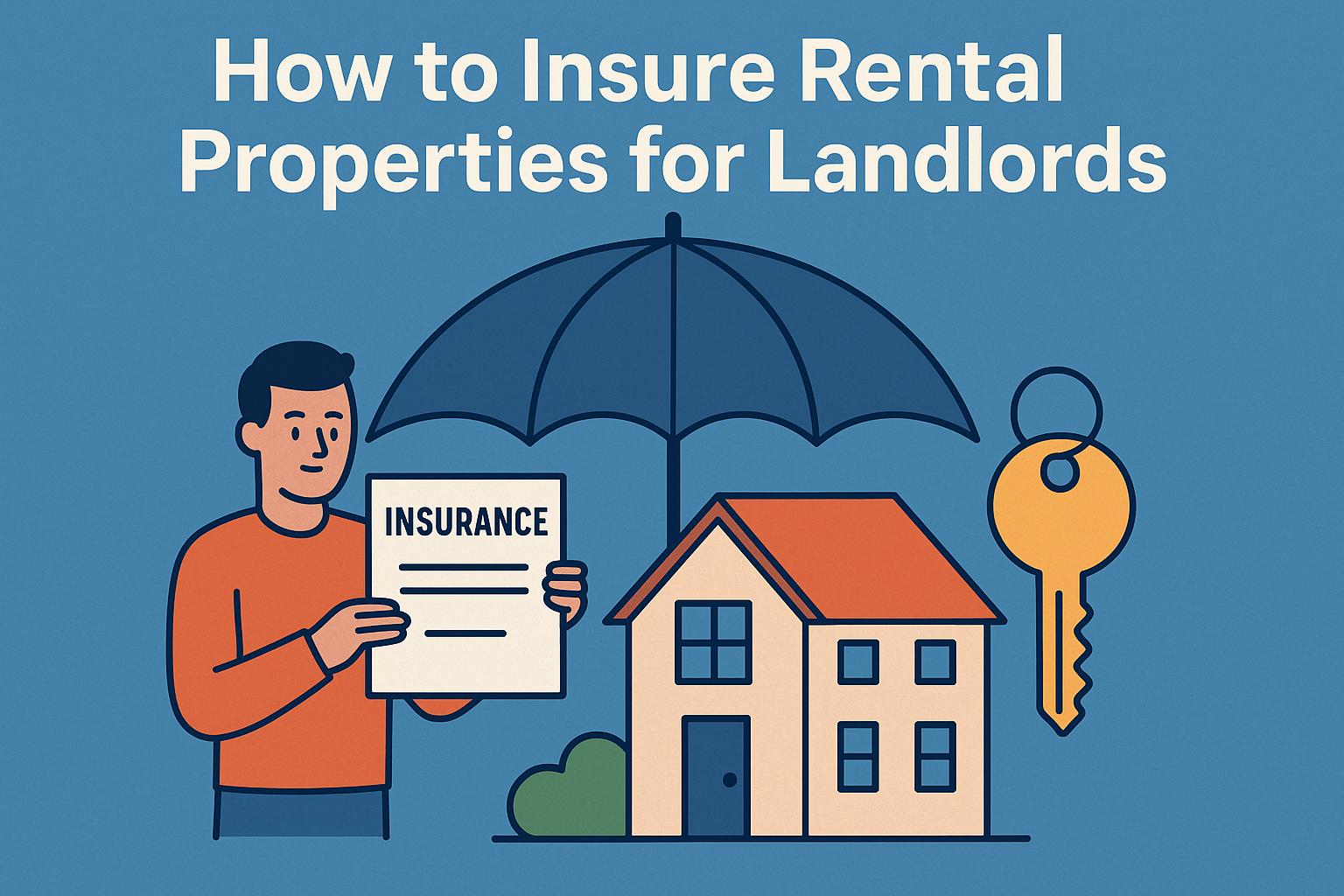
Understanding Rental Property Insurance
Rental property insurance, frequently referred to as landlord insurance, serves to protect property owners from potential risks and financial uncertainties that arise when leasing out their properties. It is essential coverage for anyone investing in real estate to generate income through rental properties. This type of insurance provides a safety net for the property itself, any additional structures on the property, and liability concerns that may arise due to having tenants.
Types of Coverage
Rental property insurance usually encompasses several types of coverage that cater to the varied risks landlords face. Below is a detailed exploration of these coverage types:
Property Damage: Essential for any landlord, this coverage protects the physical structure of the rental property from damage caused by perils such as fires, storms, theft, vandalism, and other events outlined in the policy. The specific events covered can vary significantly between insurance providers, so it’s crucial for landlords to thoroughly read the policy details to understand what incidents are covered. Knowledge of these details can prevent unexpected out-of-pocket costs following damage.
Liability Protection: Landlords have a responsibility to ensure that their property is reasonably safe for tenants and visitors. However, accidents can still occur. Liability protection helps shield landlords from the financial fallout if tenants or their guests suffer injuries due to property-related issues. For instance, if a tenant were to slip and fall on an icy walkway that wasn’t adequately maintained, this coverage would assist in handling legal fees and medical expenses, reducing the financial strain on the landlord.
Loss of Rental Income: A primary goal of any rental property is to generate consistent income. However, if the property becomes uninhabitable due to a covered loss, such as a natural disaster or severe structural damage, the loss of rental income coverage comes into play. This insurance helps compensate for the loss of income while necessary repairs are made, ensuring that landlords can meet ongoing financial obligations even when income is disrupted.
Optional Coverages
In addition to standard coverage, landlords can enhance their policies with optional endorsements or riders. These allow for the customization of insurance policies to better suit specific needs and circumstances. Some common options include:
Flood Insurance: It should be noted that regular property insurance frequently excludes damage caused by floods. For landlords with properties in flood-prone areas, it is crucial to secure separate flood insurance to adequately protect their investment from water-related damage.
Building Code Coverage: As building codes and regulations evolve, maintaining compliance can be costly during repairs or reconstruction efforts. Building code coverage assists with the financial burden of upgrading properties to meet the latest regulations, safeguarding landlords from unexpected expenses related to compliance.
Choosing the Right Coverage
Selecting an appropriate insurance policy necessitates a careful evaluation of multiple factors. Here are key considerations landlords should keep in mind:
Property Location: The geographic location of a rental property significantly influences insurance needs. Properties situated in regions prone to specific natural disasters, like hurricanes or earthquakes, often require additional disaster-specific insurance coverages to ensure full protection.
Property Value: Understanding the replacement cost of both the building and its contents is vital for determining an adequate level of insurance coverage. Insuring the property for its full replacement value is essential to avoid substantial out-of-pocket expenses following partial or total losses.
Personal Risk Tolerance: Every landlord has a different risk tolerance threshold. Evaluating potential liabilities associated with rental properties against the costs of insurance premiums helps landlords decide on acceptable coverage levels. Opting for higher deductibles can reduce premium costs, albeit with an increase in out-of-pocket expenses during the claims process.
Working with an Insurance Agent
Navigating the complexities of rental property insurance can be daunting, and consulting with an experienced insurance agent often proves beneficial. Agents offer valuable insights into suitable coverage options and guidance on balancing cost with necessary protection levels. Moreover, they can help landlords remain compliant with any state-specific insurance requirements, ensuring that they meet legal obligations while safeguarding their assets.
Ensuring Comprehensive Protection
For landlords, ensuring comprehensive protection involves regular reviews and updates to their insurance policies. This proactive approach accounts for changes in property values, renovations, or shifts in the rental market. Such changes can necessitate policy adjustments to maintain adequate coverage, reflecting the property’s current state and market conditions.
It is paramount to understand that landlord insurance serves not only to protect the physical property but also to shield landlords from potentially significant financial losses that can arise from unforeseen incidents. For more comprehensive information, landlords can explore resources available on the USA.gov housing page, which provides various guidance on managing rental properties effectively.
In conclusion, rental property insurance is a pivotal component of a landlord’s risk management strategy. By thoroughly understanding the various types of coverage available and customizing policies to fit specific needs, landlords can safeguard their investments and ensure financial stability, even in the face of unexpected challenges. Whether new to property rental or seasoned in the field, a well-informed approach to insurance coverage is indispensable for sustained success and peace of mind in managing rental properties.