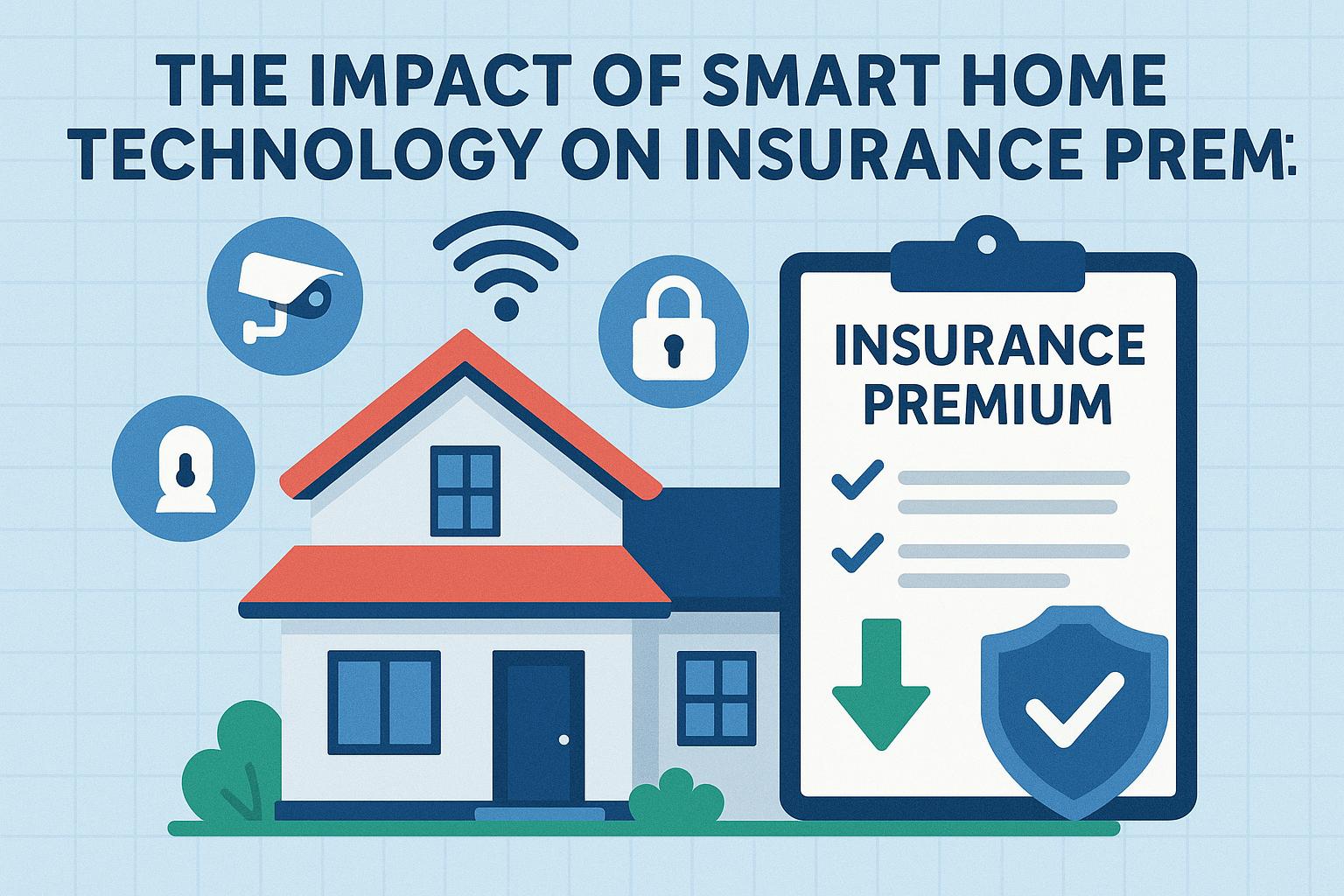
Introduction to Smart Home Technology
In recent years, smart home technology has become increasingly prominent, transforming traditional homes into integrated, automated environments. This innovative technology revolves around the concept of the Internet of Things (IoT), where devices are interconnected through the internet, allowing them to communicate with each other and perform functions without direct human intervention. Homeowners are drawn to smart home technology because it offers a blend of convenience, enhanced security, and improved efficiency.
The landscape of smart home technology encompasses a variety of devices, each serving unique purposes. These include automated lighting systems, smart thermostats, advanced security measures, and home entertainment systems, among others. Homeowners can remotely control these devices using smartphones, tablets, or other network-connected devices, making it easier to manage household operations from virtually anywhere. As the technology grows in popularity and integration sophistication, it introduces new considerations, particularly for sectors such as the insurance industry that are externally influenced by these developments.
Smart Home Technology and Risk Mitigation
Insurance companies base their premium calculations on risk evaluations, which have been significantly affected by the advent of smart home technology. By integrating smart devices, many homeowners are able to reduce and manage risks that would otherwise result in costly policies. Devices like smart smoke detectors and leak sensors epitomize this advancement by offering real-time updates and alerts about potential threats or anomalies, enabling prompt response and potentially minimizing damage. This proactive approach to risk management can translate into decreased damage occurrences, subsequently leading to fewer insurance claims made by homeowners.
Security Systems
One of the most significant contributions of smart home technology is observable in its enhancement of home security. Advanced smart security systems are designed to deter burglaries and enhance the safe retrieval of stolen property. These systems typically consist of cameras, motion detectors, and door/window sensors, which operate seamlessly to monitor entry points in real time. They send immediate alerts to homeowners and sometimes even to law enforcement agencies when suspicious activities are detected, reducing the incidence of theft-related claims and increasing the probability of property recovery.
Environmental Monitoring
In addition to security, smart home devices extend their utility to environmental monitoring. This is achieved through devices such as smart thermostats and water sensors, which help maintain optimal living conditions within the home. These devices can curb potential hazards by preventing incidents like frozen pipes or excessive humidity, which could lead to structural damage. By consistently monitoring the environment and providing timely alerts, they help mitigate risks and, as a result, contribute to lowering the frequency of insurance claims.
Insurance Discount Programs for Smart Homes
With the increasing integration of smart home technology, many insurance providers have started offering discount programs to encourage policyholders to adopt these advancements. By rewarding customers with premium reductions, insurance companies motivate homeowners to incorporate approved smart devices that enhance home safety and security. These incentives not only provide financial relief to policyholders but also support the broader adoption of smart home technologies, which ultimately contribute to safer and more efficient household operations.
Evaluating the Impact
The impact of smart home technology on insurance premiums is contingent upon various factors and is not uniform across all insurance providers. Before assigning premium discounts, insurers assess the effectiveness and contribution of smart devices to risk reduction. Additionally, insurers consider these devices within the wider context of a homeowner’s risk profile. As the technology continues to evolve, the evaluation process is likely to become more pronounced, leading possibly to wider implementation of premium reductions.
Challenges and Considerations
Despite its potential benefits, the implementation of smart home technology within the context of insurance considerations is not without challenges. Notably, concerns such as privacy and cybersecurity risks associated with IoT devices require both insurers and homeowners to tread cautiously.
Data Security
Security of data is critical, given that smart home devices collect considerable amounts of sensitive data that, if compromised, could result in severe privacy breaches. Ensuring that these systems are secure and the information is kept private is paramount to their successful integration into insurance assessments. Homeowners and insurers must work towards implementing robust security measures to protect this data.
Standardization Issues
A significant barrier to the widespread adoption of smart home technology into insurance policies is the lack of standardization among devices from different manufacturers. This diversity creates challenges for insurers attempting to establish standardized criteria for premium discounts. However, efforts are ongoing to develop industry standards to address these issues, which would provide a more uniform framework for insurers when evaluating smart home technologies.
Conclusion
Smart home technology heralds a new era of risk mitigation for both homeowners and insurance companies. By promoting enhanced safety through timely alerts and efficient monitoring, the technology holds the promise of influencing insurance premiums favorably for early adopters. However, to realize these benefits fully, it is imperative for both insurers and homeowners to work collaboratively in addressing pressing concerns around data security and standardization. As the ecosystem of smart home technology continues to mature, its role is expected to grow in significance within insurance policies, potentially leading to new ways for insurers and customers to assess and manage risk. For more detailed information about how smart home technology can impact insurance premiums, click here.