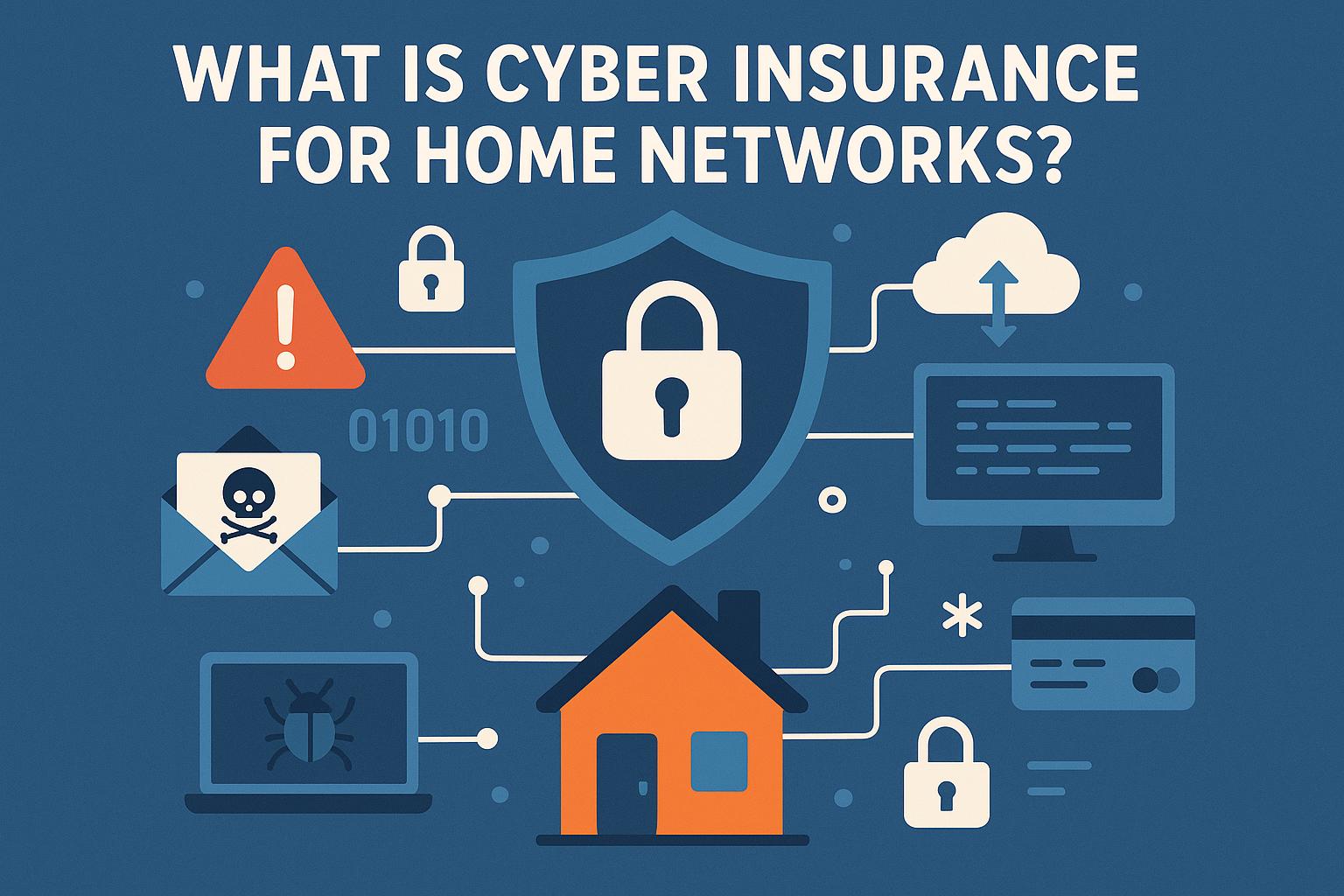
Understanding Cyber Insurance for Home Networks
In today’s increasingly digital world, protecting one’s online assets has become just as crucial as safeguarding physical properties. Cyber insurance, traditionally more common in business contexts, is now extending its umbrella to cover home networks as well. This specialized insurance aims to mitigate the risks associated with cyber threats targeting personal devices and networks at home.
What Does Cyber Insurance for Home Networks Cover?
Cyber insurance for home networks generally focuses on a range of cyber risks that individuals may encounter. These can include:
One of the primary aspects of coverage is the protection against data breaches. With the proliferation of home networks, unauthorized access to personal information and data theft have become more prevalent. As such, this insurance offers coverage that addresses the expenses associated with recovering from such breaches, often including expert consultation to mitigate further risks.
Moreover, cyber attacks are another critical area covered by this type of insurance. From malware to phishing attacks, cybercriminals deploy various strategies to infiltrate home cybersystems. Coverage under cyber insurance often includes the financial implications of these attacks and guidance on fortifying one’s cyber defenses.
An alarming trend in the cyber threat landscape is the rise of ransomware incidents. This form of malware encrypts the victim’s files, demanding a ransom for the decryption key. Cyber insurance can reimburse losses related to such attacks, covering ransom payments in specific scenarios. Nevertheless, policyholders must understand that the ability to negotiate or interact with cybercriminals is not recommended without professional assistance.
Identity theft, a severe concern for individuals active online, forms another vital part of the insurance coverage. Policies often include comprehensive assistance for recovering from identity theft, which can involve credit monitoring, legal support, and even financial reimbursement for direct losses incurred.
Why Is It Important?
The importance of cyber insurance for home networks lies in the evolving nature of cyber threats. With more households integrating smart devices and increasing their online footprints, the vulnerability to cyber threats exponentially rises. Home networks can be targets for hackers seeking to exploit security weaknesses for financial gain or personal data. Cyber insurance provides a financial safety net, allowing homeowners to recover more swiftly from digital attacks or breaches.
When smart devices become common possessions in homes, the exposure to security vulnerabilities grows. Devices once considered mundane can become entry points for cyber intrusions. Thus, cyber insurance acts as a critical measure to safeguard these increasingly complex home network systems.
Key Considerations
Before obtaining cyber insurance for a home network, assessing your digital assets and understanding specific policy aspects is critical. Here are some key considerations:
Scope of Coverage: Not all policies cover the same risks, so it’s essential to determine what potential threats a policy addresses. Since cyber threats can vary significantly, understanding the specific cyber incidents that a policy protects against is fundamental to obtaining adequate coverage.
Cost: Consider the premium costs in relation to the value of protection provided, ensuring it aligns with your digital security needs. The cost-to-benefit ratio must make financial sense, given that over-insurance or under-insurance could both lead to unfavorable outcomes.
Claims Process: Understanding the claims process can simplify proceedings in the event of a cyber incident. Familiarity with the procedure, documentation required, and response timelines can make a significant difference when time is of the essence.
Implementing Cybersecurity Measures
While cyber insurance serves as a crucial protective layer, complementing it with robust cybersecurity measures is advisable. Regularly updating software, using strong, unique passwords, and employing reputable antivirus programs can significantly reduce the likelihood of a cyber incident.
Layered security approaches, including installing firewalls and employing virtual private networks (VPNs), can add additional protection. Educating all household members on recognizing potential phishing attempts and suspicious online behavior can further fortify the home network’s defenses.
Moreover, conducting regular security audits can help identify and rectify potential vulnerabilities in the home network setup. Employing cybersecurity experts for these audits can provide valuable insights and strategies to secure your digital environment more effectively.
Conclusion
As households become more connected, ensuring the security of home networks becomes imperative. Cyber insurance for home networks represents an evolving insurance domain that aligns with the contemporary needs of homeowners. For those interested in bolstering their cybersecurity framework, exploring coverage options can be a prudent step forward.
The dynamic nature of cyber threats necessitates a proactive approach to digital security. Understanding the implications and benefits of cyber insurance for home networks can empower homeowners to make informed decisions about their cybersecurity strategies, ultimately fostering a safer digital experience for all family members.