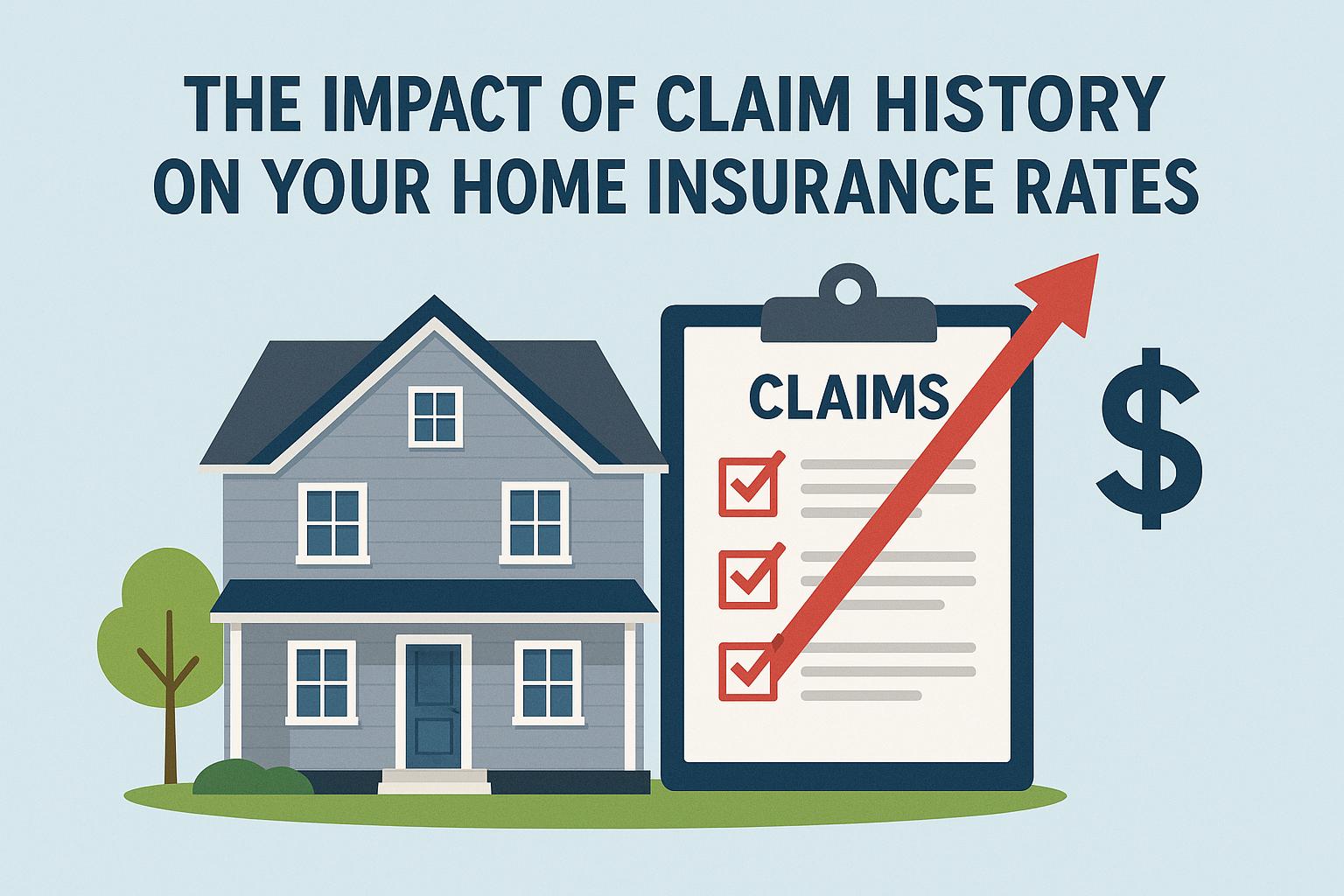
The Relationship Between Claim History and Home Insurance Rates
When it comes to home insurance, various factors contribute to the determination of premium rates. One major factor that insurance companies examine is the homeowner’s claim history. Recognizing how past claims impact your insurance allows for more effective management of your rates and can potentially lead to cost savings.
Understanding Claim History
Your claim history refers to a documented overview of all the insurance claims you have previously filed. Insurance companies use this history to evaluate the risk of insuring your home in the future. If your history indicates multiple claims, this may present a red flag for insurers as it suggests a higher probability of future claims, consequently escalating the risk for the insurer.
Frequency and Type of Claims
The frequency and type of claims you file can greatly impact your insurance rates. If a homeowner submits numerous claims over a brief timeframe, insurance providers might classify your home as high-risk. Additionally, certain claim types, particularly those related to water damage or liability, might have a more pronounced effect on premiums due to the greater perceived risk associated with these situations.
Why Insurers Care About Claims
Insurance companies operate on the principle of risk calculation. An increased volume of claims from a client indicates an elevated risk of future payouts by the insurer. By examining claims data, insurers aim to anticipate future behaviors and adjust premium rates accordingly. For a broader understanding of risk assessment in various insurance contexts, you might explore this comprehensive guide on risk assessment in insurance.
Ways to Manage Your Home Insurance Rates
Despite a claim history that might not be ideal, homeowners can implement several strategies to ensure their insurance costs remain within a reasonable range:
Maintain and Protect Your Home
Proactivity in maintaining and safeguarding your home can significantly influence the mitigation of potential risks. Regular maintenance can avert many common issues that result in claims. For example, annual checks of your roof and plumbing can preempt leaks and water damage, thereby decreasing the chance of filing claims related to such structural issues.
Opt for a Higher Deductible
A strategic approach to lowering your premium costs involves selecting a higher deductible. This choice means a greater out-of-pocket expense in the event of a claim, yet it simultaneously conveys to insurers that you are unlikely to file frivolous or minor claims, thereby reducing the perceived risk from the insurer’s perspective.
Bundle Insurance Policies
A practical way to potentially reduce insurance costs is through bundling policies. Insurers often provide discounts to clients who bundle their home and auto insurance, for instance. Bundling not only simplifies managing your insurance policies but also typically results in cost reductions due to discounts provided for purchasing multiple policies simultaneously from the same provider.
The Bottom Line
Your claim history is pivotal in shaping the rates of your home insurance. By comprehending the insurer’s perspective on claims, you can proactively mitigate their impact on your premiums. Engaging in routine home maintenance, opting for higher deductibles, and exploring bundling options are effective measures to ensure your insurance coverage remains affordable. For a comprehensive understanding of how insurance mechanisms function, consider delving deeper into the basics of home insurance.
In essence, while your claim history is an influential component in determining home insurance rates, adopting the strategies mentioned can help you maintain control over your personal insurance landscape. Managing your home proficiently and understanding your insurance options will inevitably foster a more advantageous position concerning your premiums. Whether it’s through minimizing unnecessary claims or optimizing policy bundles, these are data-driven ways to counterbalance the financial implications of your claim history.
Ultimately, a clear understanding of how claim history affects insurance rates empowers homeowners to make informed decisions, whether about daily maintenance routines or larger financial strategies involving deductibles and policy bundling. These measures equip homeowners to address insurers’ concerns about potential risks, enabling effective management of insurance premiums.