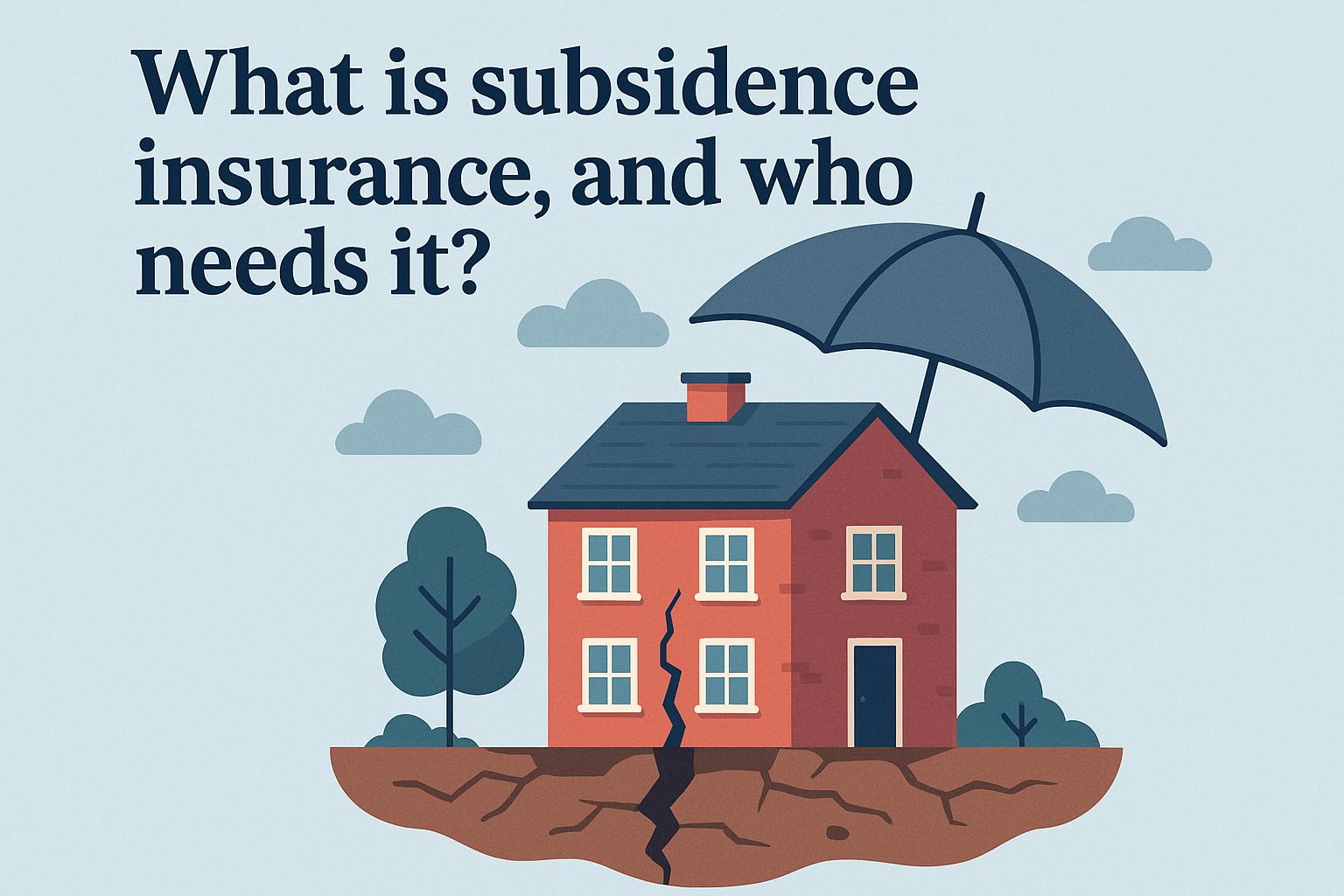
Understanding Subsidence Insurance
Subsidence insurance serves as a protective financial safeguard for property owners against the challenges posed by the ground beneath a property sinking or collapsing. This phenomenon can prompt significant structural damage, often culminating in the need for expensive repairs. Predominantly, subsidence is a prevailing concern in locations characterized by clay soil, historical mining operations, or areas where groundwater extraction is common. For property owners residing in such susceptible zones, having subsidence insurance is paramount to protect their investment, ensuring that unexpected ground movement does not translate into financial peril.
What Does Subsidence Insurance Cover?
Subsidence insurance fundamentally provides for the expenses linked to repairing damage to buildings and structures that directly result from ground movement. It generally encompasses a few crucial areas:
Structural Damage to the Building: This includes damages to essential parts of the property, such as the walls, floors, and foundations. These elements form the backbone of any building, and subsidence can compromise their integrity, leading to potential safety hazards.
Stabilizing the Structure: Another aspect of coverage involves the costs associated with stabilizing the structure. This is critical to prevent any future subsidence occurrences. Stabilization is essential to maintain the building’s safety and prevent further damage.
Repairs to Underground Infrastructure: Coverage often extends to repairs of underground pipes and drains if they are impacted by subsidence. These components, essential for the property’s integrity and functionality, can suffer considerable damage during ground movement.
It is pertinent to acknowledge that each insurer might have distinct and specific terms and conditions defining what is precisely covered. Thus, property owners are advised to meticulously review their policy documents to grasp the extent and limitations of their coverage. Additionally, for a more detailed understanding, it is beneficial to refer to specific insurance providers for comprehensive policy options that cater to individual needs.
Who Needs Subsidence Insurance?
Subsidence insurance often emerges as a critical requirement for several groups of property owners:
Homeowners
Individuals who own property in areas vulnerable to subsidence should weigh this coverage option seriously. Addressing the potential for expensive repairs becomes paramount when residing in susceptible regions. Ensuring proper coverage not only protects the home but also provides peace of mind against unforeseen ground movements.
Landlords
For owners of rental properties situated in high-risk areas, it is imperative to ensure their investments have protective measures. Damage stemming from subsidence might render properties uninhabitable, casting a shadow over rental income and potentially leading to significant financial strain.
Potential Buyers
Those in pursuit of purchasing property must acquaint themselves with subsidence risks pertinent to their area of interest. Evaluating the necessity for suitable insurance coverage ensures that future investments remain safeguarded from underlying ground vulnerabilities.
Factors Increasing the Need for Subsidence Insurance
Several exigent circumstances could heighten the necessity for subsidence insurance, making it a wise choice in certain situations:
Soil Type: Properties based on clay soil exhibit higher susceptibility to shrinkage and swelling. These soil dynamics can instigate subsidence, prompting structural decline.
Trees and Vegetation: The presence of large trees in close vicinity to a property may significantly drain moisture from the soil. This exacerbation of moisture loss contributes to subsidence issues, highlighting the importance of insurance coverage in such contexts.
History of Subsidence: If a property or its surrounding area boasts a history marred by subsidence, it might mandate specialized coverage. Understanding past precedents can help anticipate future risks.
Acquiring Subsidence Insurance
Before securing subsidence insurance, conducting a thorough survey or risk assessment of the property is beneficial in determining its specific vulnerabilities. This proactive approach enables property owners to understand better the inherent risks associated with their property location. Furthermore, reaching out to an insurance broker or a reputable insurance company can offer personalized advice and options tailored to the owner’s needs. A skilled and knowledgeable broker can guide through the complexities of policy selection, ensuring that the coverage aligns with the identified risks and provides adequate protection.
In closing, subsidence insurance stands out as a specialized form of coverage critical for property owners residing in regions susceptible to ground movement. By gaining a comprehensive understanding of the associated risks and evaluating the need for this insurance, property owners can effectively shield their assets and maintain the structural soundness of their buildings. This proactive measure ensures long-term protection and minimizes the financial impact of unexpected ground movement, reinforcing the importance of informed decision-making in property ownership.