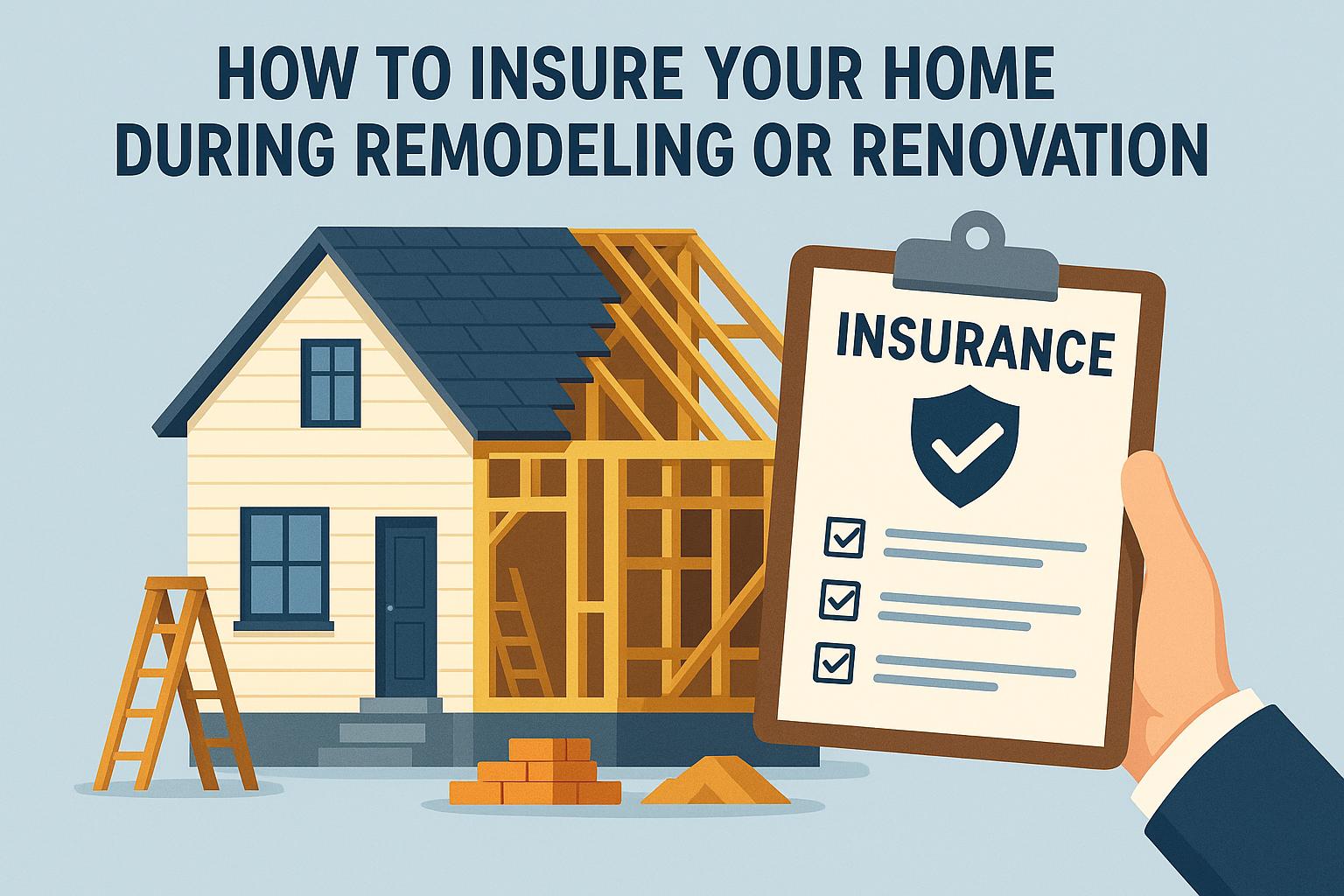
Understanding the Importance of Insurance During Home Renovations
When embarking on a home remodeling or renovation project, it is vital to ensure that your property and personal finances are adequately protected. Home renovations often introduce various activities that can increase the risk of damage to your property or create potential liabilities. Therefore, understanding the appropriate type of insurance coverage required during such undertakings is essential for safeguarding your investment and peace of mind.
Homeowners Insurance: A Starting Point
Most homeowners possess a standard homeowners insurance policy, which typically offers coverage for damage to the property’s structure, personal belongings, and liability for injuries that occur on the premises. Nevertheless, these standard policies may not comprehensively address the heightened risks associated with renovation activities. As such, it is advisable to review your current policy to discern its terms and conditions about renovation. Engaging in a discussion with your insurance agent or representative about the specifics of your renovation project can help you identify any gaps in coverage that might exist during the renovation phase.
Additional Builders Risk Insurance
For renovations of a significant scale, the consideration of additional insurance options like builders risk insurance becomes imperative. Builders risk insurance specifically caters to scenarios involving physical damage to the structure and construction materials during the renovation process. Typically, this insurance encompasses protection against theft, vandalism, and damage resulting from specified natural events. Builders risk insurance is customizable to meet the unique needs of your particular project, providing coverage over the full duration of the renovation and ensuring that you are adequately protected against unforeseen circumstances.
Understanding Liability Coverage During Renovations
Undoubtedly, undertaking home renovation projects can escalate your liability exposures, especially when engaging contractors or conducting large-scale modifications. It is crucial to ensure that your liability coverage is comprehensive enough to deal with any potential risks. Additionally, it is essential to verify that any contractors or subcontractors involved possess their own liability insurance. This additional layer of protection can offer significant reassurance, as it covers accidents or issues that may arise due to their work. Requesting and obtaining a copy of their insurance certificate can serve as a precautionary measure in managing potential liabilities.
Safeguarding Against Potential Risks
During renovation periods, aspects such as the occupancy status of your home may influence your insurance coverage. Some insurance policies contain clauses that reduce or invalidate coverage if a home remains unoccupied for an extended duration. Clarifying these conditions with your insurance provider is paramount to avoid unexpected coverage disruptions. In situations where the standard policy fails to encompass unoccupied homes during renovations, opting for a dwelling under renovation policy may be a necessary step.
Exploring insurance options and ensuring you have adequate coverage is just one facet of home renovation preparation. By carefully planning your projects with due diligence, you can minimize risks and focus on the creative aspects and transformative results of your home improvements.
Meanwhile, the process of undertaking renovations doesn’t only involve hammering nails or painting walls; it involves diving deeply into numerous aspects affecting your property and lifestyle. With potential legal implications, safety concerns, and financial investments closely tied together, homeowners should be aware and proactive in managing these variables. Further examining scenarios where home insurance takes center stage can present opportunities to learn and adapt.
For instance, suppose you undertake a project that necessitates temporarily moving out of your home. In such cases, it’s beneficial to engage in a detailed conversation with your insurer to understand how the change in your living arrangement might affect your coverage. Transparency and communication play crucial roles in ensuring no element lies overlooked in your insurance framework.
Similarly, in projects requiring a high level of financial investment, aligning your renovation budget with potential insurance premiums or policy adjustments is crucial. Understanding how renovations can affect the value of your home and ensuring your coverage aligns with the updated property value can save future complications.
When considering large renovations, the devices, tools, and materials stored on-site should also be protected. Confirming all possible protection measures with an insurance expert assures you that these assets remain shielded. Furthermore, reviewing policies for landlords or those converting properties for rental purposes remains vital. Ensuring compliance with local laws and insurance regulations adds a safeguard against potential disputes which can arise from renovations.
Balancing creativity and compliance during home renovations encompasses the art of construction and the precision of foresight. Renovation projects, whether small enhancements or grand designs, signify a significant period in homeowners’ lives, making it imperative to structure these experiences securely.
In conclusion, ensuring your home is adequately insured during remodeling or renovation involves several critical steps: reviewing existing coverage, considering additional policies such as builders risk insurance, and verifying the insurance credentials of contractors and other involved parties. Engaging with your insurer to customize your coverage to your specific renovation needs is not just advisable but often necessary. For those wishing to delve deeper into the nuances of insurance during renovations, consulting reliable sources on home insurance and renovation coverage can offer further guidance and assurance.