Understanding Debris Removal Coverage in Home Insurance
Home insurance policies serve as a critical form of financial protection for property owners, shielding them against various unforeseen risks and events that could lead to substantial losses. Among the many components of a comprehensive home insurance policy is debris removal coverage. This particular feature plays a key role in easing the financial load that comes with cleaning up your property after a covered event or loss. In this expanded look into debris removal coverage, we explore its mechanics, limits, and its significance to homeowners.
What is Debris Removal Coverage?
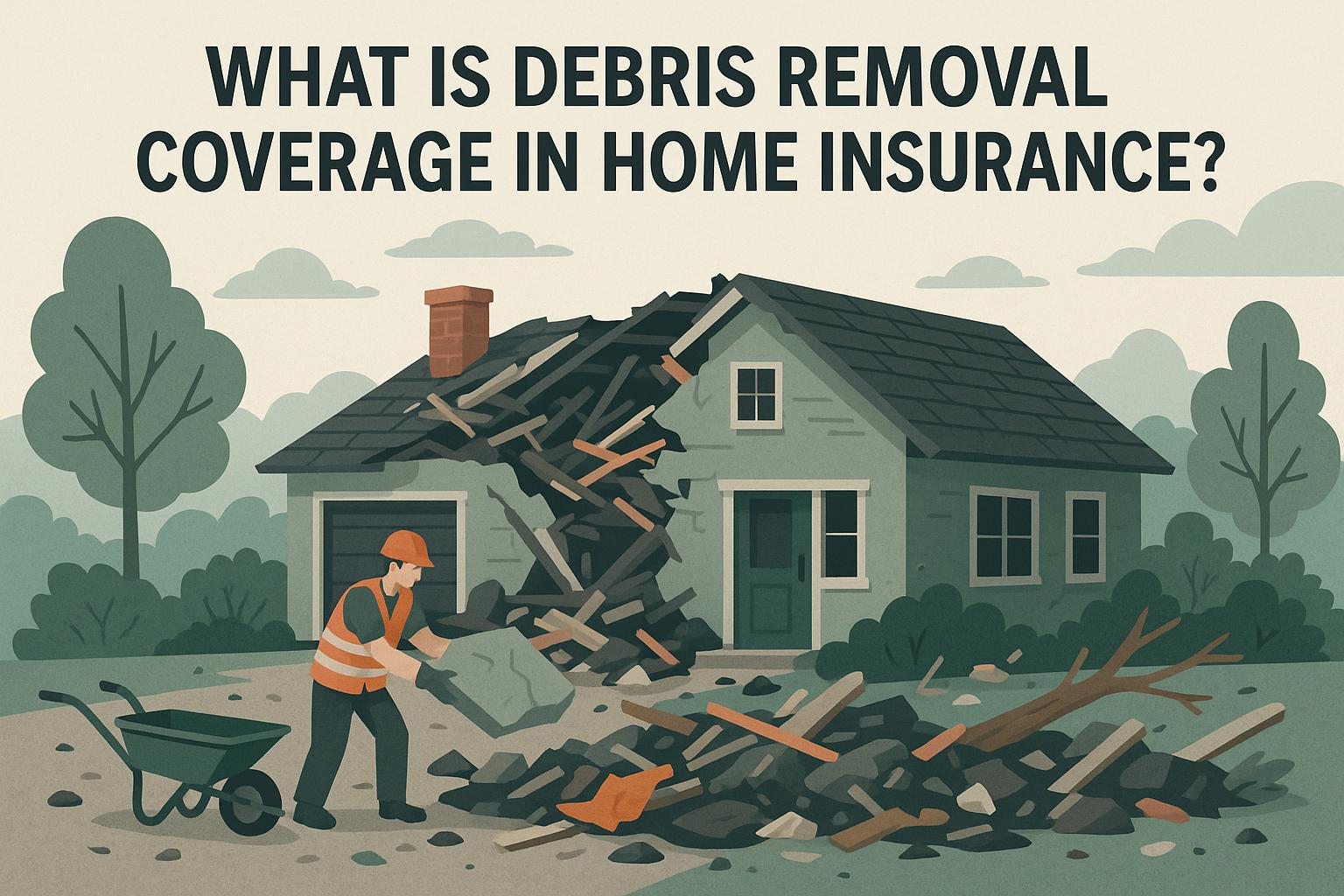
Debris removal coverage represents a segment of your homeowners insurance designed to cover expenses associated with clearing debris after experiencing a covered peril. Commonly encountered covered perils include natural disasters or events like windstorms, fires, or other incidents explicitly outlined in the policy documentation. Following such events, properties may end up littered with debris ranging from fallen branches and trees to ruins of destroyed structures. This coverage is invaluable in absorbing the costs involved in effectively cleaning up, thus allowing the property restoration process to commence.
How Does Debris Removal Coverage Work?
Upon suffering damage due to a covered peril, initiating a claim with your insurance company becomes the first crucial step. The insurance provider will review the damage and upon approval, the debris removal coverage becomes actionable. What often follows is the allocation of a portion of your insurance payout specifically geared towards cleanup efforts. Nonetheless, it is important for policyholders to understand that debris removal comes with certain limitations as stated in their insurance policy. These policy-specific limits demand careful review ahead of time to avoid surprises in the aftermath of a disaster.
Policy Limits and Considerations
The makeup and limitations of debris removal coverage can vary significantly across different homeowners insurance policies. These variances highlight the importance of understanding your specific policy details.
Sub-Limits: Certain policies may impose specific sub-limits exclusively for debris removal. This implies that a specified fraction of your total property damage coverage payout is set aside specifically for the cleanup process. Usually, this allotment is calculated as a percentage of the overall insurance compensation applicable to the direct physical damage incurred.
Additional Debris Removal Coverage: To enhance protection, some insurers offer the option to purchase additional debris removal coverage. This supplemental coverage acts as a buffer, benefiting property owners in regions prone to significant debris accumulation post-disaster, thereby ensuring adequate financial protection.
Type of Debris: The nature of the debris significantly impacts coverage eligibility. For example, the cost of removing trees that fall and damage insured structures often falls within coverage. Contrastingly, debris not directly resulting from a covered event may not qualify, underscoring the importance of policy terms and conditions.
Importance of Debris Removal Coverage
The presence of debris on a property acts as a major impediment to restoration and repair operations. Without addressing the cleanup, effective repairs to a damaged property remain stalled, heightening potential risks and prolonging the disruption. This makes a proper grasp of and provision for debris removal coverage an indispensable component of comprehensive property risk management. By ensuring that adequate debris removal measures are in place, homeowners can facilitate a smoother transition towards recovery and restoration in the wake of adversities.
Final Thoughts
Debris removal coverage constitutes a crucial segment of home insurance. Its role is pivotal in ensuring that property owners are not hit with the unplanned burden of debris clearance following a disaster. Understanding how debris removal coverage functions, recognizing possible coverage limits, and ensuring clarity about the specifics of what your unique policy covers can empower homeowners to make enlightened decisions regarding their insurance needs. Additionally, routine conversations with your insurer about your policy’s alignment with your protection expectations can help cement confidence in your coverage choices and ensure protection meets personal risk exposure effectively.