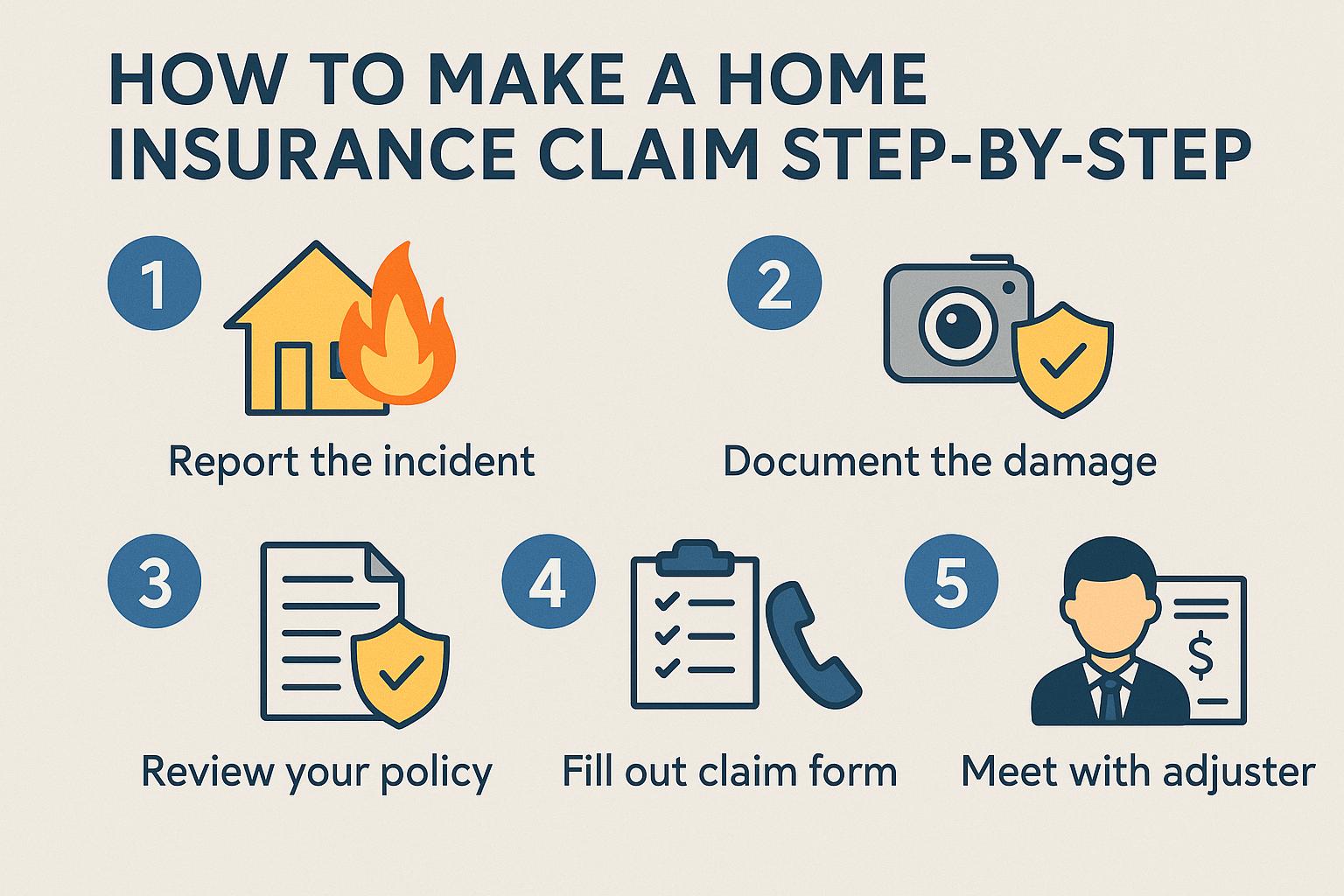
Understanding Your Policy
To ensure a successful and smooth home insurance claim process, it is essential to begin with a comprehensive understanding of your insurance policy. This foundational step involves a detailed review of your policy documentation. By meticulously going through this paperwork, you will become familiar with the specific coverage provided, including any exclusions, limits, and the deductible amounts applicable to different types of damage or loss. Such information holds significant importance as it helps in evaluating an incident’s eligibility for a claim, thus aiding in the accurate assessment of the potential financial impact resulting from a loss or damage.
It is important to note that every insurance policy is unique, and the terms can vary greatly between different providers and types of policies. Therefore, take the time to examine all the detailed clauses regarding the coverage of different perils such as fire, theft, water damage, and natural disasters. Understanding these specifics helps avoid unexpected surprises when you proceed with a claim. For instance, certain natural disasters might require additional coverage, which, if not included in your current policy, may not be covered by your insurer. Furthermore, having clarity on any existing exclusion clauses prevents misalignment in expectations and aids in determining whether a particular incident can justifiably be claimed.
Document the Damage
Following an incident that causes damage to your home or belongings, it becomes imperative to document the damage immediately and effectively. This means taking comprehensive photographs and videos that capture every aspect of the affected areas and any belongings that have been damaged. This visual evidence will play a crucial role when you are filing a claim, as it serves as undeniable proof of the extent and nature of the damage sustained.
Documentation is not only a measure of preparedness for the insurance process but also an essential reference should any disagreements or disputes occur during the claims adjudication. Consider taking pictures from various angles and ensuring the images are clear and well-lit. Additionally, including time-stamped footage or images can add validity by showing exactly when the damage occurred. This captures the aftermath before any temporary repairs or clean-up have cluttered the evidence, hence presenting a more accurate scenario to your insurance provider.
Notify Your Insurance Company
Timeliness is a key factor in the claims process, and it begins with notifying your insurance company. As soon as an incident occurs that could potentially result in a claim, contact your insurer without delay. Most insurance companies have established dedicated claims lines or user-friendly online portals to streamline the notification process. When reaching out, it is essential to have your policy number ready, along with a detailed description of the incident and the resulting damage. Providing this information promptly ensures the process begins swiftly and helps mitigate any extended lapses in communication or processing.
Gather Necessary Information
In the wake of the damage, take methodical steps to gather all pertinent information that will aid in filing the claim decisively. Here’s a critical look at the information you should prepare:
- Date and time of the incident: This establishes a timeline that is essential for processing the claim efficiently.
- A detailed description of the damage: Beyond photographs, provide a narrative that explains the damage encountered, offering context to the visual evidence.
- Photos or videos: As emphasized earlier, solid visual records are invaluable.
- Receipts or appraisals for damaged items: If available, these documents can substantiate the value of damaged possessions, aiding in fair compensation deliberation.
- Police report number, if applicable: If the incident involves burglary or vandalism, attaching a police report can enhance the credibility of your claim.
Complete the Claim Form
Once you notify the insurance company of the damage, they will provide a claim form necessary for official processing. It is vital to complete this form meticulously, ensuring that all information is truthful, thorough, and well-documented. Any errors or omissions could result in processing delays or even denial of your claim. In addition to filling out the form, append all previously mentioned supporting documents. Carefully reviewing the form before submission can prevent potential setbacks, expediting the resolution of your claim.
Work with the Adjuster
When a claim reaches the evaluation stage, an insurance adjuster may step in to assess the damage and validate the claim. Cooperation with the adjuster is vital. Provide them full access to your property so they can undertake a comprehensive inspection and review. Supply any additional documentation they might request. The adjuster’s findings have a direct impact on the settlement offer, and establishing a cooperative relationship can smooth this phase of the process, ensuring both parties understand and agree on the assessment’s accuracy.
Review Settlement Offer
Upon completion and evaluation of your claim, the insurance company will extend a settlement offer, predominantly influenced by the adjuster’s assessments. It is imperative to scrutinize this offer carefully, ensuring it aligns with the actual damage or loss incurred. Should any discrepancies arise, or if you feel the compensation does not cover the extent of your losses, it is within your right to discuss the offer further with your insurer. Engaging in a negotiation can potentially lead to a revised offer that is more reflective of the true extent of the losses suffered.
Receive Payment
Upon mutual agreement on the settlement, the insurer will execute the payment in accordance with your policy terms. These funds are intended for the restoration, repair, or replacement of the damaged property or belongings. Knowing the specific terms on how this payment is to be used ensures compliance with your policy’s guidelines and facilitates the restoration process.
Final Thoughts
Throughout the entire process, maintaining arduously detailed records of all communication and related documentation regarding your claim is beneficial. In case of any issues or discrepancies, this archive will serve as an unmistakable point of reference that could be critical in resolving outstanding matters. Navigating the seemingly complex claims process is substantially more straightforward with a proactive approach: thorough preparation and comprehensive understanding of your policy lay the groundwork for an expedited and adequate resolution.
For more detailed guidance on filing an insurance claim, please visit the Consumer Financial Protection Bureau.