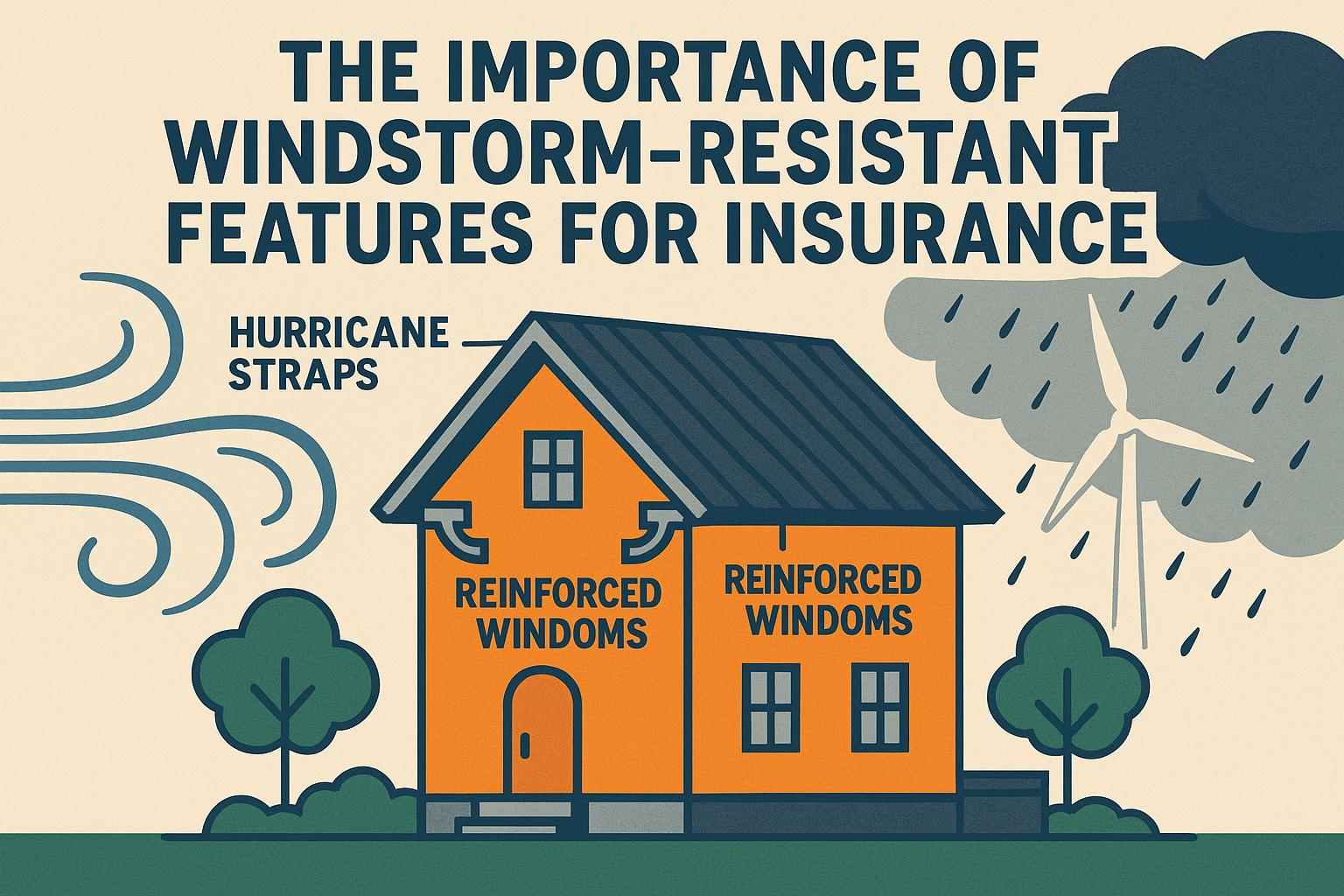
The Role of Windstorm-Resistant Features in Insurance
In regions where windstorms are a frequent threat, implementing windstorm-resistant features in property designs is not merely a precautionary measure—it’s a strategic decision influencing insurance-related aspects significantly. These features serve as a shield for the structural integrity of properties and critically shape insurance premiums and coverage conditions.
Mitigating Risk Through Improved Building Standards
The evolution of building standards has increasingly incorporated requirements for windstorm-resistant features, signaling their growing importance. The adoption of strengthened building practices, including fortified roofing systems, impact-resistant windows, and reinforced garage door installations, showcases a commitment to protecting structures against high-velocity winds. Insurers generally perceive such enhancements as vital components of a proactive risk management strategy, which not only differentiates properties in terms of resilience but also contributes to lowering risk assessments. Ensuring that buildings withstand severe wind conditions without succumbing to significant damage is a priority reflected in modern building codes and insurance evaluations.
Insurance Premium Implications
One of the primary benefits of installing windstorm-resistant features is the potential reduction in insurance premiums for property owners. Properties outfitted with these features qualify for reduced premiums largely due to their decreased risk profile. Insurers meticulously assess potential risks when determining premiums, and properties with wind mitigation measures are typically regarded as less likely to suffer costly damage during storms. This perceived reduction in risk translates directly into financial savings for property owners, reinforcing the value of integrating such features into building designs or renovations.
Influence on Coverage Terms
Apart from influencing cost-related aspects like premiums, the presence of windstorm-resistant features also shapes the specific terms and conditions of insurance coverage. When properties demonstrate enhanced resilience to wind damage, insurers may extend more comprehensive coverage options. Such arrangements provide greater protection and peace of mind for property owners in the face of unexpected weather events. Opting for enhanced coverage becomes a viable choice when insurers recognize the reduced risk associated with reinforced property features, potentially leading to better financial security for policyholders.
Encouraging Policyholders to Implement Robust Features
Insurance providers play an active role in promoting the adoption of windstorm-resistant features by offering diverse incentives and discounts. The strategic use of these incentives is aimed at motivating property owners to prioritize durability improvements that ensure both safety and financial benefits. By encouraging the installation of robust features, insurers not only protect individual properties from severe weather conditions but also contribute to enhancing the collective resilience of entire communities. This community-wide focus on preventative measures significantly reduces potential losses and fosters a broader sense of security among residents.
In addition to these direct benefits, engaging with trusted sources that specialize in building safety or insurance provides further valuable information. Such sources frequently offer detailed guidelines tailored to different geographical regions and building types, assisting property owners in making informed decisions to enhance their property resilience. For instance, the Insurance Institute for Business & Home Safety offers insights and recommendations specifically focused on this area of concern.
To synthesize the role of windstorm-resistant features, it’s essential for property owners to grasp their significance in both reducing risk and optimizing insurance conditions. These features perform dual functions: They not only secure the physical property from windstorm-related damages but also present financial advantages through reduced insurance premiums and improved coverage alternatives. Ultimately, the integration of windstorm-resistant characteristics into property designs embodies a well-rounded approach to risk management, promising peace of mind and financial prudence in regions susceptible to windstorm activity.